



“Art can do anything.” It is a phrase that almost sounds self-evident. Perhaps too self-evident. Because artistic freedom does not simply exist on its own. It depends on politicians being willing to tolerate dissent, provocation and perspectives that do not fit their own worldview – perspectives that can, at times, be uncomfortable. That is, in a way, the job of a free and independent cultural sector: to challenge, provoke and expose what is going wrong.
For decades, it seemed clear that a vibrant and free cultural landscape was part and parcel of a free Europe. But today, that very principle is increasingly being called into question. In Hungary and Poland, we have seen how cultural institutions can come under political pressure and how funding decisions can be used to weaken critical voices. In Slovakia, we are currently witnessing massive political interference in the cultural sector. And in Germany, too, there is once again open debate about sorting culture according to political and identity-based criteria.

Why we need a Cultural Freedom Act
Populists like Germany’s AfD are particularly radical and consistent in this regard. In its election manifestos and cultural policy proposals, the party spells out very concretely which forms of culture should receive less space and less funding in the future. They calling for a “180-degree turnaround in cultural policy”. Funding for queer perspectives is to be scaled back, resources for addressing Nazi-looted art, colonial injustice and expropriations in the GDR are to be cut, and even the Bauhaus is to be more firmly tied to a national identity. This amounts to a political ambition to deliberately steer culture and use public funding to impose a particular vision of society. So far, Europe has no answer to this. We have no common values and rules defining how artistic freedom should be guaranteed. That is precisely why we need to establish such rules now – before those they are meant to protect us from come to power.
Many people working in the cultural sector are increasingly asking themselves how secure their freedom really is when political majorities change. Can art really still do anything? And what will it still be allowed to do tomorrow? The uncertainty is profound, and some are already choosing to censor themselves rather than take the risk. I take these concerns very seriously. Artistic freedom must not depend on which party happens to be in government, who runs a ministry or whether those in power approve of a particular work.
That is why I am advocating for a European Culture Freedom Act. It should establish common minimum standards to protect artists, independent theatres, museums and other cultural institutions from political interference and safeguard transparent, independent decision-making in cultural funding – across Europe.
No, Brussels should not decide what art is allowed to do. But it must ensure that culture is free to flourish, without becoming a political football for ideology and identity politics. More than 200 artists, cultural professionals and representatives of major cultural institutions from 39 countries have supported our first call for such an act. I am grateful for this support – and I feel a responsibility to turn it into European policy.
Are you convinced culture needs better protection? Then sign my petition!
Culture is Europe's DNA
We should not wait until cultural freedom is already hanging by a thread. Democratic safeguards need to be put in place while democratic majorities still have the power to establish them. Europe already protects the independence of the media and the judiciary because we know how quickly democratic institutions can come under pressure. Culture, too, needs a European protective shield.
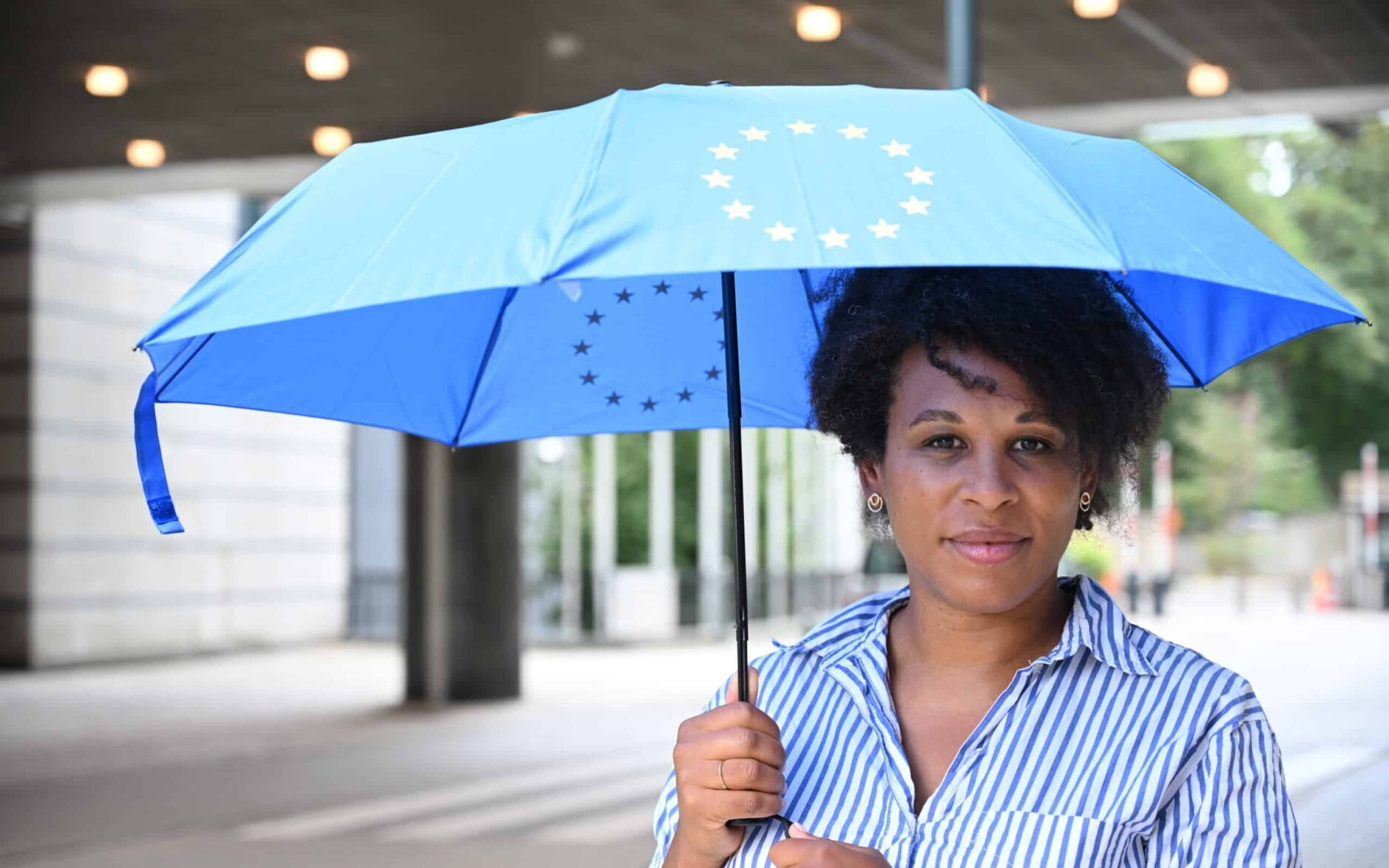
Because free art is neither a luxury nor a decorative add-on to democracy. It is one of the spaces in which a society can dissent, question itself and develop new perspectives. That is part of Europe’s DNA. And I want everyone who looks at current political developments with concern to know this: you are not alone. Europe can have your back.
That is what I am fighting for in Brussels.